Fourteen-year-old Madelyn was watching closely as the last drop of chemotherapy slid from the IV into her arm. As soon as it was gone, she got out of her hospital bed as fast as she could. She grabbed her mom and her mom’s friend in a hug and started jumping and dancing. Toni, Madelyn’s mom, said it’s a moment she’ll never forget.
“She was yelling, ‘Mom, I’m done! I did it! I did it!’” Toni remembers. “I was so proud of her in that moment. It was really something special.”
Madelyn and Toni thought they’d reached the finish line. But in some ways, it was just the beginning.
Starting the Cancer Journey
In the summer of 2024, Madelyn and her softball teammates were learning how to slide, so when she started having leg pain, she assumed she’d just pulled a muscle. But a month later, it was still hurting, and Madelyn broke down in tears from the pain. Toni and Madelyn went to the doctor, who ordered an X-ray. The X-ray showed a tumor, which they later discovered was osteosarcoma, had broken out of Madelyn’s femur, the longest, strongest bone in the body.
Madelyn underwent 30 rounds of chemotherapy, which meant months of nausea and watching her hair fall out in clumps. She needed surgery to replace her femur and knee with titanium prosthetics, but the prosthetics failed multiple times, leaving Madelyn unable to walk for 10 months.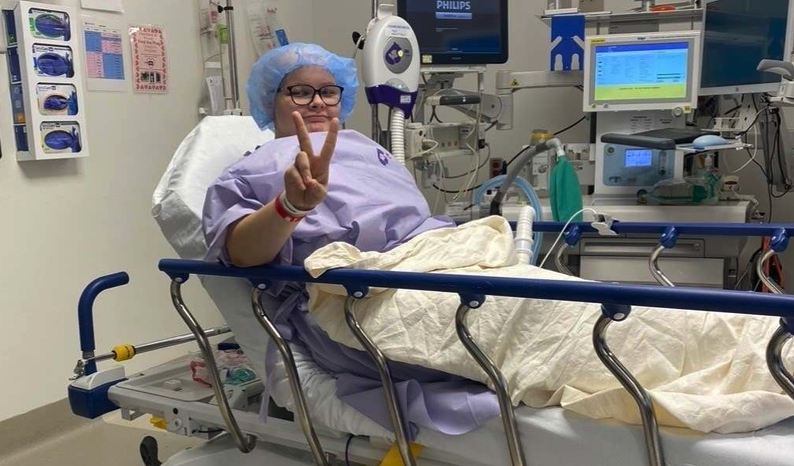 “You have to order these pieces and wait forever for them to be made, tested, and delivered,” Toni said. “They pressure-tested three different prototypes of what they were going to give her, but they all failed in production, so we were stuck waiting.”
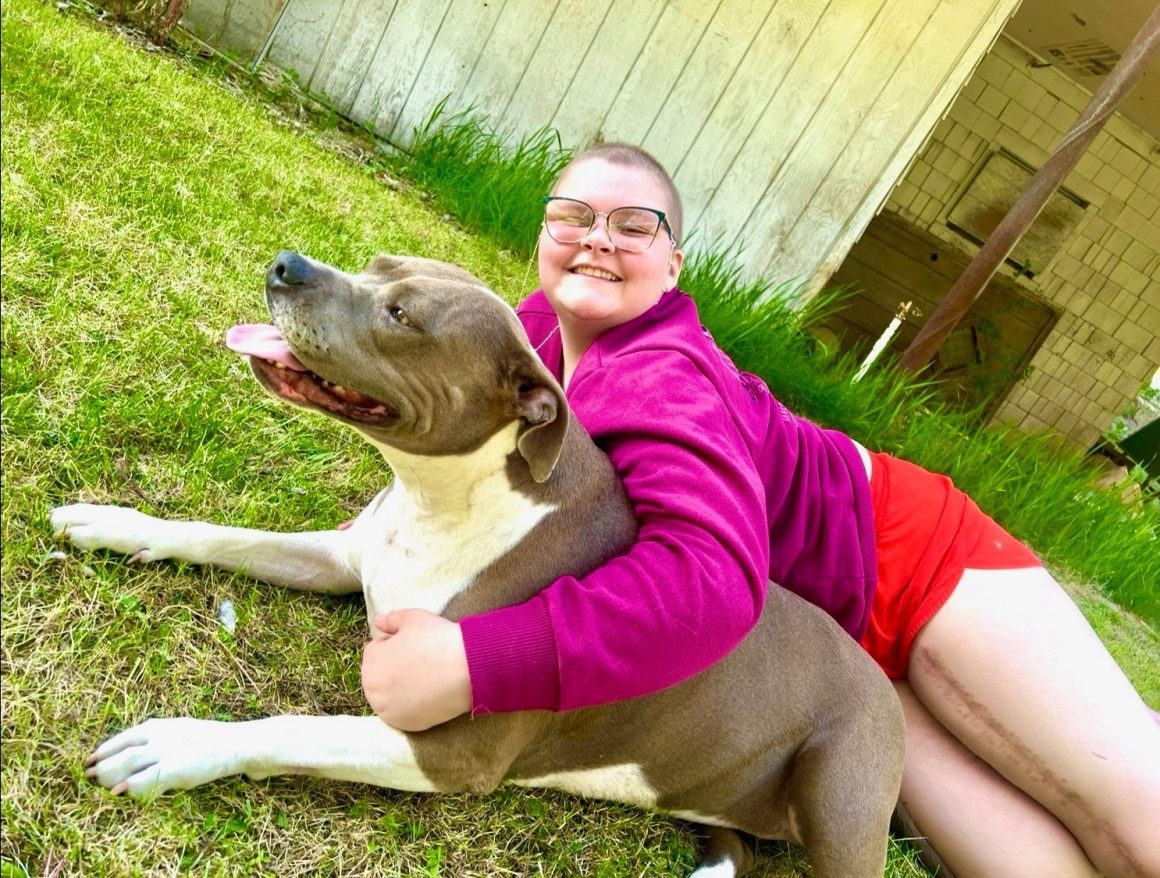
Four surgeries and several failed prosthetics later, Madelyn received prosthetics that worked – she now sports a titanium femur, knee, and a titanium piece on her hip.
March 2026 marks one year cancer-free, but Madelyn is still recovering, trying to get back to some of the activities she loves with the new limitations she’s facing. When she returned to her school marching band, she led her bandmates as drum major from her wheelchair. She’s spent months in physical therapy learning how to walk on her left leg again. Today, she participates in her school’s theater productions, walking the stage with a crutch.
Feeling Alone After Cancer
Madelyn is still dealing with the physical limitations caused by her treatment, but the most difficult piece for her lately has been her mental health. She struggles with feeling alone and not being able to explain her experience to her friends and classmates. It’s like she was on another planet for two years, and now that she’s back, she feels like an alien in her old life.
“None of her friends at school get it. She’s been through something nobody should have to go through,” Toni said. “She was a mature kid before, but now she’s just way more mature than her friends and classmates, and that’s been hard for her.”
Madelyn has also started to show signs of heightened anxiety. She’s become more of a homebody than she used to be, because being home feels safest. On particularly hard days, she begs her mom not to go to work.
“We’ve talked it through,” Toni said. “She’s worried something’s going to happen to me. And in her mind, if something happens to me, and then something happens to her again, what would she do? Her thought is, let’s both just stay home, and then we’ll be safe.”
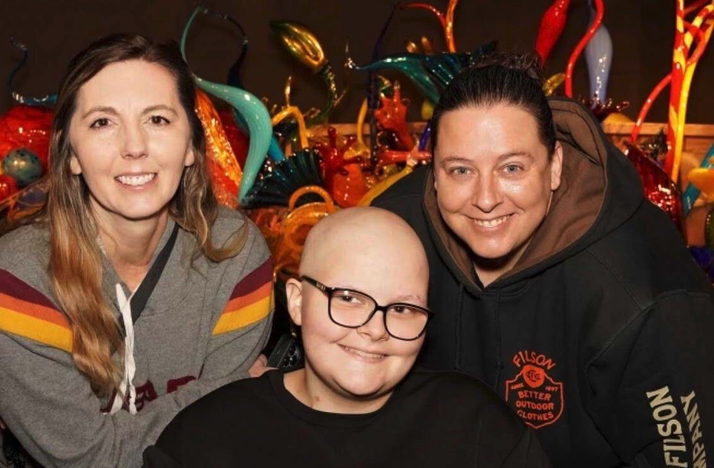
Toni says going through this experience has made her more patient with Madelyn, and more understanding when Madelyn wants to push forward or jump into something. Having faced an uncertain future, she can understand why Madelyn might want to take action right away rather than wait.
“Given what she went through, she understands that tomorrow isn’t promised,” Toni said. “I’m not so quick to frustration or irritation anymore with her. She deserves the right to be impatient.”
The Hardest Part
Toni says she never expected the hardest parts of the cancer experience to come after treatment. They expected to go back to some sort of “normal life” after cancer, only to find that that life was no longer available to them, and people outside the cancer world just don’t understand.
“When it’s over, that’s the hardest part, because it’s like, now what?” Toni said. “You’re finally able to get out of fight mode, and you’re just looking around like, what just happened? I came back to work, and everyone is like, ‘Oh, good, Madelyn’s all better now.’ They assume you’re ready to go back to work full-time, but there were days I had to just go home because the emotions were too much. From the outside, people think the hard part is over, so they don’t understand that.”
Madelyn and Toni aren’t alone – many childhood cancer survivors struggle with their mental health after treatment is over. Survivors have an increased risk of anxiety and depression, and many experience PTSD symptoms stemming from their traumatic treatments. Parents experience many of these symptoms as well, and many struggle to rebuild their identities after being cancer caregivers for so long.
Children’s Cancer Research Fund supports survivorship research, including research that aims to cultivate hope and build resilience in teenage cancer survivors. Survivorship research aims to help kids like Madelyn do more than survive cancer — it helps them build full lives after it.
Madelyn Today
Madelyn, now 15, has faced more than any kid her age should. But today, she’s just trying to be a regular teenager. She’s been experimenting with her hair, going from short to long to short again, and dying it bright hues of pink and blue. She recently started a food vlog, which she adds to every time she visits a new restaurant. Her band teachers say she’s a natural leader, and the band students have a deep respect for her as drum major. When she rang the bell to celebrate the end of cancer treatment, all her marching bandmates attended virtually to cheer her on.
She goes back to the hospital for regular scans to make sure she’s still cancer-free, and she won’t be considered “cured” until she’s been cancer-free for five years. In the meantime, she’s working to make up for lost time, filling her days doing things she loves.
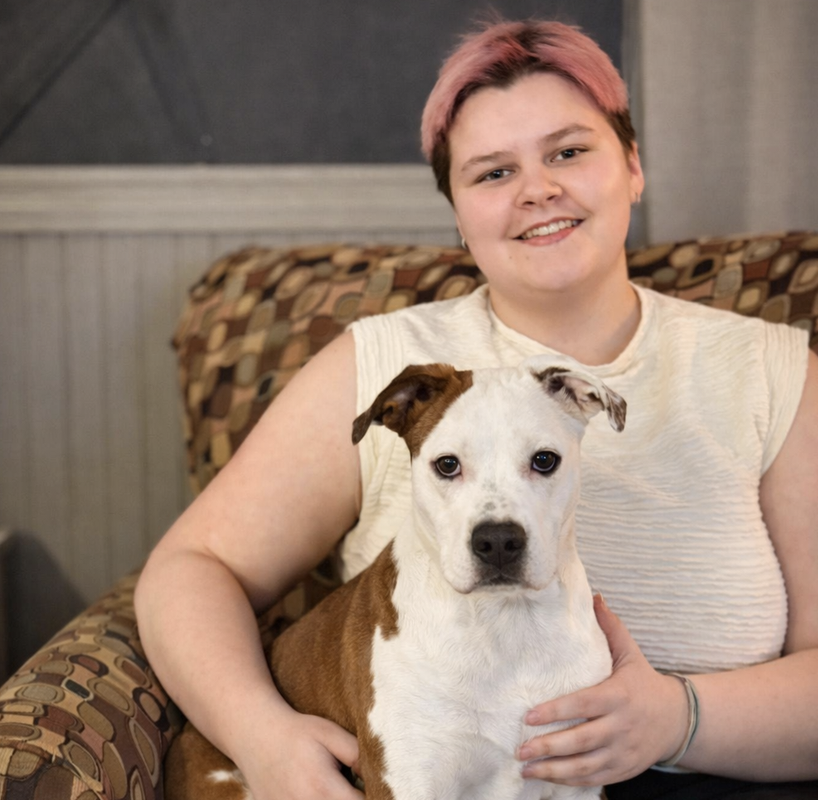
“Madelyn is a wonderful, beautifully bright young lady,” Toni said. ”There were so many times she could have been like, ‘shut up and leave me alone,’ or ‘this is too hard,’ and I wouldn’t have blamed her. But she never once did that. She cried and said I can’t take this, this is horrible, but she was never disrespectful or rude. I’m so proud of her.”
Donate to fund essential research for kids like Madelyn.
The generosity of our donors accelerates bold research across the country – transforming treatment, improving lives, and bringing more kids into a brighter, healthier future.