When Liz was 13 and in eighth grade, she thought the pain in her right leg was just a volleyball injury. She iced it, elevated it and tried to push through the end of the season. But when the pain didn’t improve, her parents took her back to the pediatrician. This time, the doctor ordered an MRI.
The scan revealed a mass just below Liz’s right knee. The day after Thanksgiving, she underwent a biopsy.
“I remember waking up and there was a lot of crying,” Liz said. “It felt like everyone’s worst nightmare.”
For her dad, Greg, the moment is still vivid.
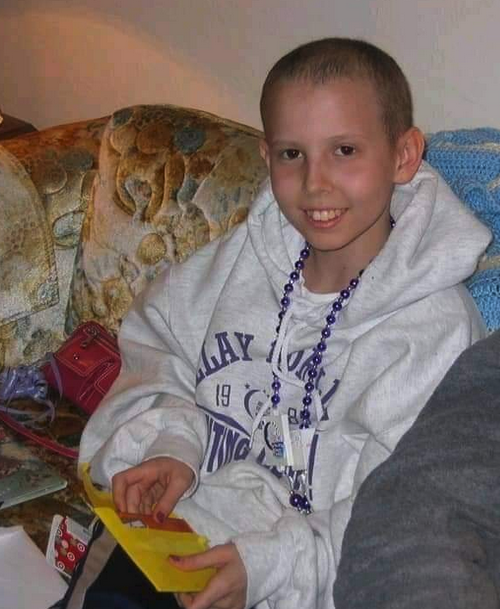 “Scary is the first word that comes to mind,” he said. “They used the word cancer before we even knew the exact type. I remember thinking, I can’t believe this is happening to my daughter.”
Liz began treatment for osteosarcoma in December that year, undergoing several rounds of chemotherapy followed by an eight-hour reconstructive surgery on her knee. After a short break to recover, she continued with maintenance chemotherapy for nearly a year, finishing treatment the day before Halloween.
“I went trick-or-treating with my younger siblings,” Liz said. “I was in a wagon because I still needed crutches. I dressed as Zoey from Sesame Street and my little brother was Elmo.”
Recovery brought new challenges. Months later, weakened bones from chemotherapy caused Liz to fall and break both legs, sending her back to the hospital for more surgery. Even everyday routines like school required adjustments.
“Everyone wanted to push my wheelchair so they could leave class early,” Liz said with a laugh.
Nearly 20 years later, Liz still manages long-term effects from treatment. She has hearing loss, limited movement in her right knee and will eventually need a knee replacement. Experiences like hers highlight why continued research is so critical.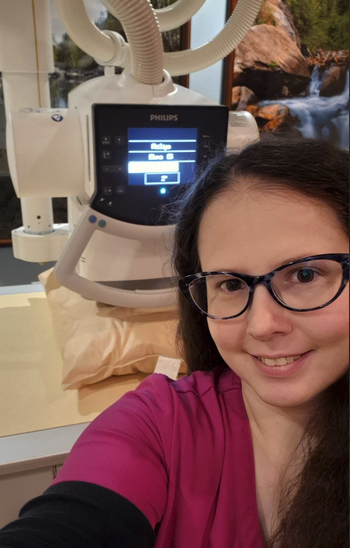
“The treatment Liz received 20 years ago was already 30 years old at the time,” said Liz’s dad, Greg. “For rare cancers like hers, research is often underfunded, and drug companies have little incentive to invest in new treatments. That has to change. Every dollar raised brings us closer to better, safer treatments – and more survivors like Liz.”
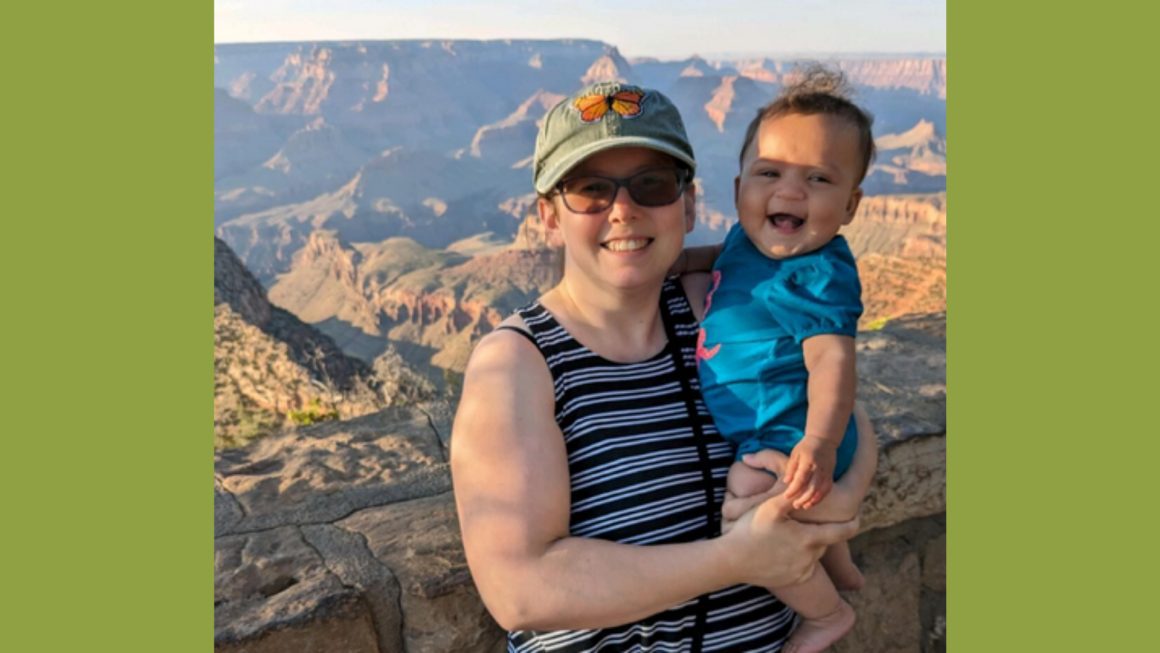
Today, Liz works as a radiologic technologist – an inspiration that came from the imaging scans she received during treatment. She’s also celebrating a milestone that once felt uncertain: becoming a mother. Her daughter, Isabelle, now three years old, fills their home with laughter.
“The best part is watching her personality come out,” Liz said. “Seeing what makes her laugh and watching her become her own little person.”
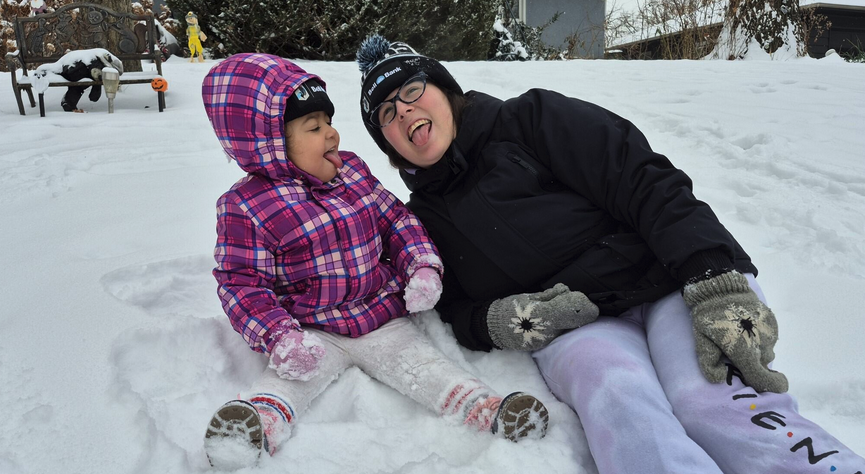
Isabelle loves adventures to the park, time spent reading, music and dance, and is finding her sassy side.
Liz jokes that Izzy makes being a mom easy most of the time – though she admits there are moments when the lasting effects of her cancer and treatments create challenges.
“I tell her sometimes, ‘Mommy can’t do that,’” Liz said with a smile. “She likes to run, and I can’t run after her. If she wants me to get down on the floor and crawl around and play, that’s hard for me, too.”
Fortunately, she has strong support system. She lives with her mom and stepdad, who help care for Izzy and make sure she gets plenty of playtime, running and exploring.
For Greg, seeing Liz as a mom is especially meaningful.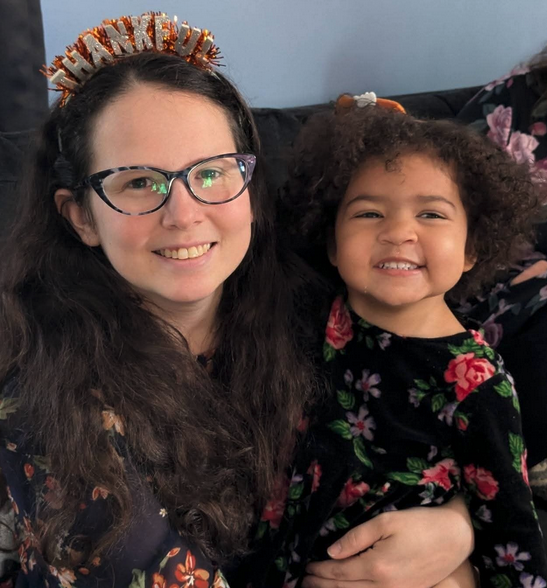
“It’s incredible to watch her interact with her daughter,” he said. “For so many years we didn’t know if that would be possible.”
Looking back, both Liz and Greg hold onto the same message.
“Don’t give up,” Liz said. “Don’t avoid trying something because you think it might be difficult.”
And Greg adds simply: “Remember there is hope.”