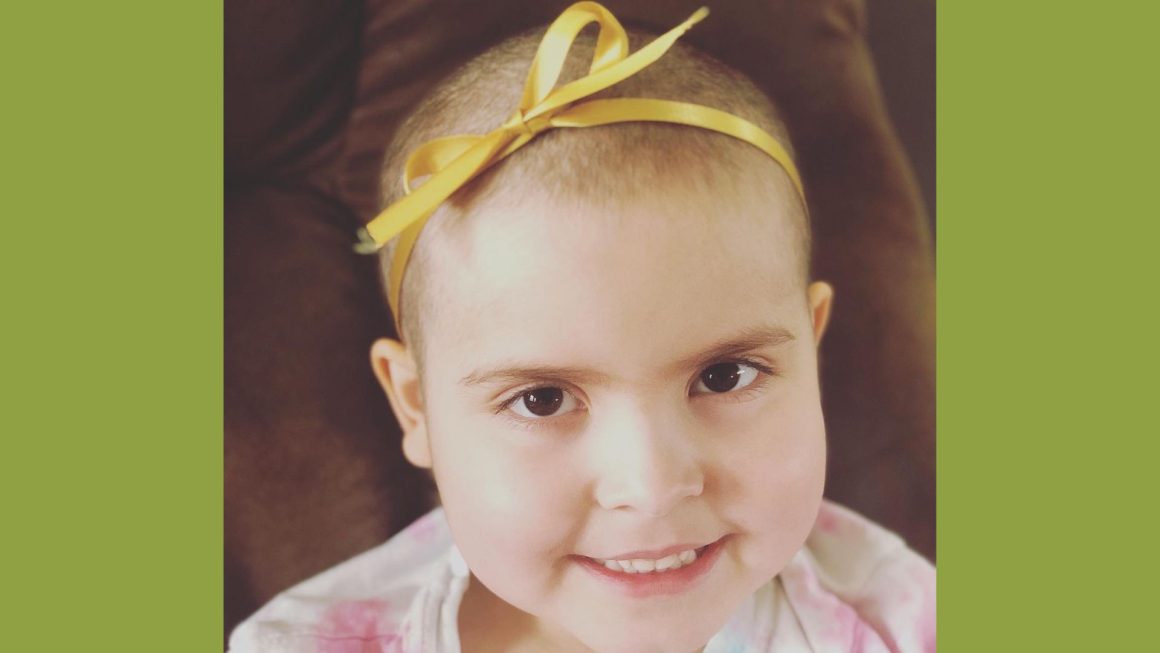
Cheri remembers the look on the emergency room nurse’s face when she examined her 5-year-old daughter, Era.
“She had this look like she knew something was wrong, but she knew she couldn’t tell me yet,” Cheri said. Era had been experiencing on-again, off-again pain for a few months, and she’d recently started looking pale and losing weight. “Looking back at pictures, it’s crazy to see how skinny and pale she was. Even her earlobes were pale,” Cheri remembers.
Within a few hours, doctors came to deliver Era’s test results – they said they saw malignancies in her bloodwork.
“I remember my husband, Drew, asked, ‘What does that mean, malignancies in the bloodwork?’” Cheri said. “I had to tell him, ‘That’s cancer.’ And he just fell apart.”
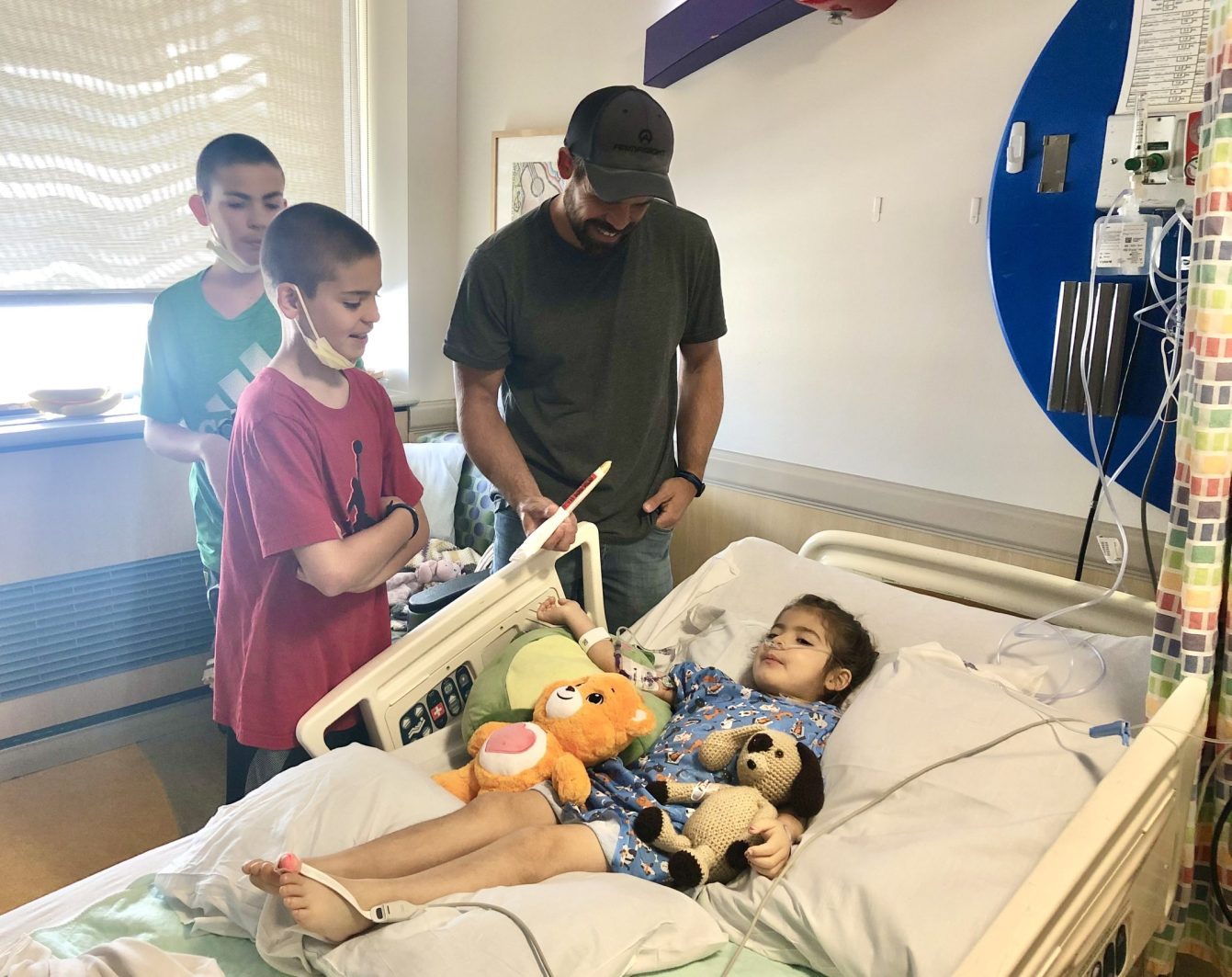 Era was diagnosed with acute lymphoblastic leukemia, one of the most common types of childhood cancer. Treatment usually involves multiple rounds of chemotherapy and can last two years or more. She and Drew didn’t know much about childhood cancer, but what they did know wasn’t encouraging – Drew’s cousin died of cancer as a teenager.
From the bathroom of Era’s hospital room, Cheri and Drew took turns calling family members to tell them the news. Cheri remembers telling them that she needed everyone to stay strong, especially when talking to Era.
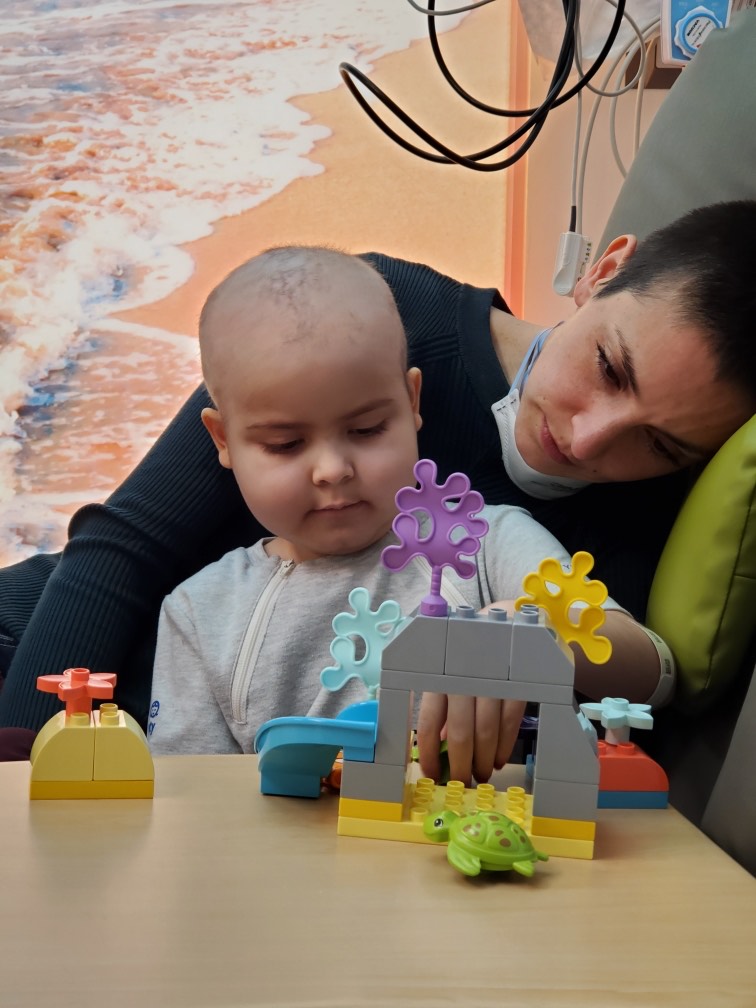
“I told everyone we needed them to be positive about this. I didn’t want Era to feel any negativity or fear. I remember when we told her and her brothers, we kept saying ‘We’re going to fight this, and we’re going to be just fine.’”
Cheri said this with more resolve than she felt. But from the very beginning of Era’s cancer experience, Cheri decided she was going to control what she could – and she wanted to encourage everyone to have a positive, determined mindset.
“When this happens, everything is stripped away from you,” she said. “You really have no choice but to do what the doctors recommend. But you can control how you approach it. I think mindset is so important; we all tried hard to keep being silly and keep each other’s spirits up.”
Era’s coping toolbox
No 5-year-old should have to learn strategies to deal with numerous blood draws, lumbar punctures, and foul-tasting medications. But when Era was thrown into the childhood cancer world, she developed ways to deal with each scary poke and procedure. Some of the things in her coping toolbox include:
-
Breathwork
For each blood draw, IV, or lumbar puncture, Era would take a deep breath in, and think about breathing in the pain, then push all the air out as fast as she could, to push the pain away. Cheri says this helped Era feel in control during her toughest moments.
-
Music
Disney songs, Frozen in particular, helped Era express herself. She’d pick songs that were silly, empowering, or fun to dance to, depending on her mood and what she needed that day.

-
Laughter
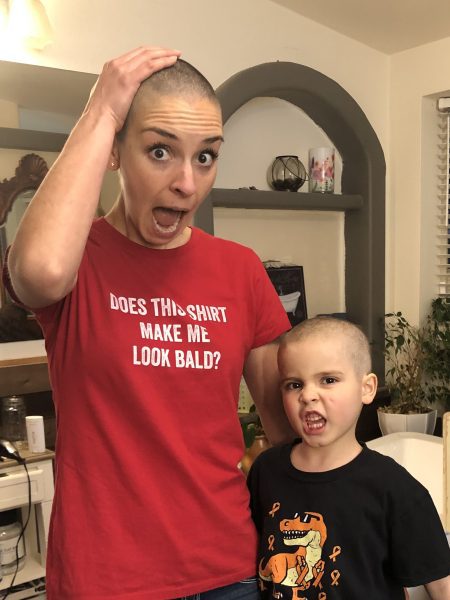
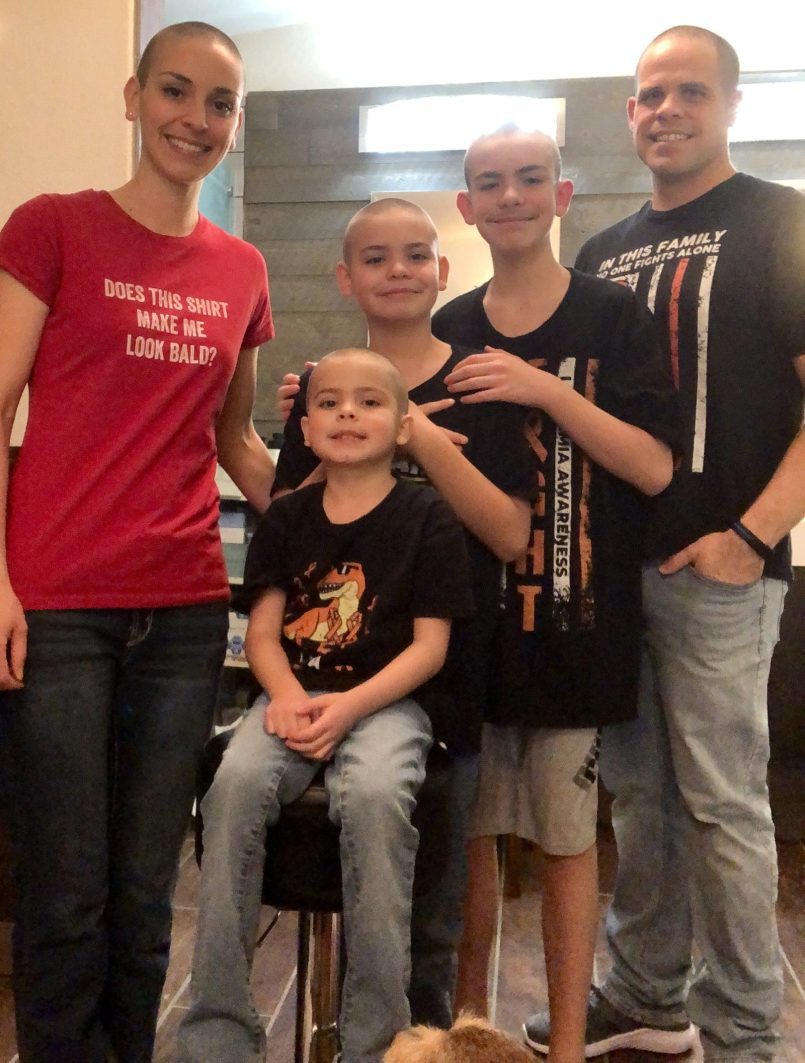
Era’s family kept her laughing with jokes, silly dances and creative activities. Her older brothers even let her paint beauty masks on their faces, because they knew it would make her smile. When Era started losing her hair, the whole family shaved their heads in solidarity, and Era giggled as she took the clippers to her brothers’ and parents’ hair.
-
Speaking up
Cheri made sure Era knew that it was okay to advocate for herself, even at such a young age. “If I could tell she was getting overwhelmed, I’d try to model telling the nurses that she was done with pokes for now, and asked that they please come back later,” Cheri said. “I wanted her to know that she could ask to take a break. Imagine being a kid, being told you have cancer, and then you just have to accept all the scary things that happen to you. That would strip your resolve pretty fast. I wanted Era to feel like she still had a say in what happened to her.”
-
Advocacy and healing
Since Era’s diagnosis, Cheri and Drew have found ways to dive into advocacy. They’ve spoken with other childhood cancer families to support one another during their journeys. They’ve educated their community about childhood cancer. They’ve even traveled to Washington, DC, to meet with legislators about increasing the meager funding that goes to childhood cancer research. But after two and a half years running the marathon that is cancer treatment, they’re tired. When Era completed treatment in October 2024, Cheri and Drew decided to take a step back from advocacy to focus on their family’s healing. They still try to advocate in small ways, through social media or when other opportunities arise, but they want to fill their time with normal things, like taking Era to her hip hop and ballet classes instead of endless doctor appointments. Now, they’re asking that someone else pick up the baton.
“Funding is absolutely ridiculously low, and that really lights a fire in me,” Cheri said. “I think people assume that new cancer treatments are being developed every year, and that people are receiving cutting-edge treatments. That’s the case for adults. For kids, most of their treatment options are five or six times as old as they are. I like to think if more people knew that, they’d do more to change it.”
In fact, of all the drugs used to treat cancer, less than 10 were designed specifically for children. Even now, with hundreds of cancer drugs available to treat adult cancer, only a small handful have been later found effective in treating certain childhood cancers.
Over half of all funds raised for childhood cancer research are raised by charitable foundations like Children’s Cancer Research Fund and families like Era’s, who are still trying to heal from the trauma of treatment. It shouldn’t fall on cancer families alone to change the research landscape. To make real advancements towards better, safer cancer treatments for kids, it takes sustainable support from the communities surrounding these cancer families.
“We donated before Era was diagnosed. We’d send some money and feel like we did our part, but then we’d stop thinking about it,” Cheri said. “Now, we don’t get to stop thinking about it. I’m so grateful for the people who have shown us that even though this isn’t happening to them, they’re in it with us.”
Please consider making a gift, to show families like Era’s that they aren’t fighting alone. Visit childrenscancer.org to donate today.