For childhood cancer survivors, the end of treatment is not the end of the journey. It’s the beginning of a lifelong relationship with their health – one that research is still working to fully understand.
Today, only a fraction of childhood cancer survivors receive the follow-up care they need as adults. That’s where Dr. Karim Sadak comes in.
With support from Children’s Cancer Research Fund and its partner Ascentek, Dr. Sadak, director of the Childhood Cancer Survivor Program at the University of Minnesota, is part of a research team that is attempting to close one of the most pressing gaps in survivorship care: how to translate what we know works to improve health into what survivors will actually do in real life.
Understanding What Motivates Survivors
Dr. Sadak has teamed up with Alicia Kunin-Batson, PhD, LP in the department of Pediatrics and Kelvin O. Lim, MD with the department of Psychiatry and Behavioral Sciences for a study of nearly 40 adolescent and young adult childhood cancer survivors, ages 15–25. Participants wore fitness trackers for 21 days straight while completing short, real-time online surveys on social cognitive factors that drive physical activity and sedentary behaviors.
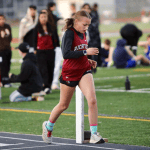
Larissa
These frequent check-ins captured something rarely studied at this level – how mood, motivation, fatigue and social connection influence behavior real-time and in the moment. Instead of looking at physical activity in isolation, this research explores how internal factors and real-life environments mold together to shape daily decisions about physical activity.
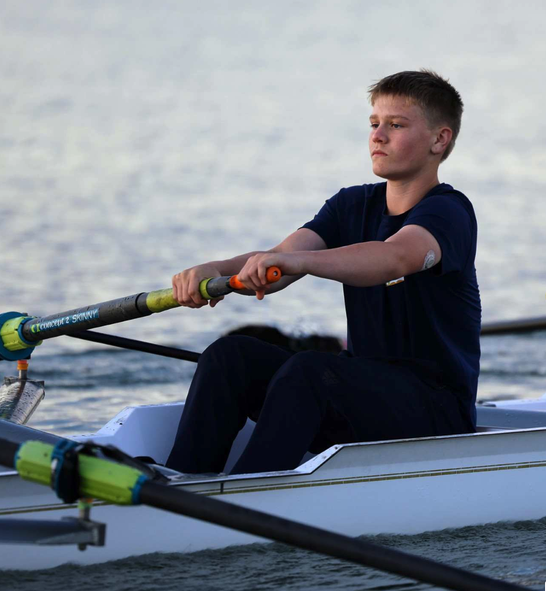
Max
This innovative, largely remote approach allows the multidisciplinary research team to meet adolescents and young adults where they are – especially important for a population that may only visit a survivorship clinic once a year.
From Insight to Impact
With data collection now complete, Drs. Sadak, Kunin-Batson and Lim will determine how this approach can be expanded. Their goal is to launch a larger, multi-center trial – bringing these insights to help more survivors stay connected to care, better understand their health risks and navigate adulthood with confidence while staying physically active through it all.
And like so much of this work, it begins with research made possible by donors.
When we invest in understanding survivors – not just their treatments, but their behaviors, challenges and needs – we move closer to a future where every survivor has the support they need to thrive.