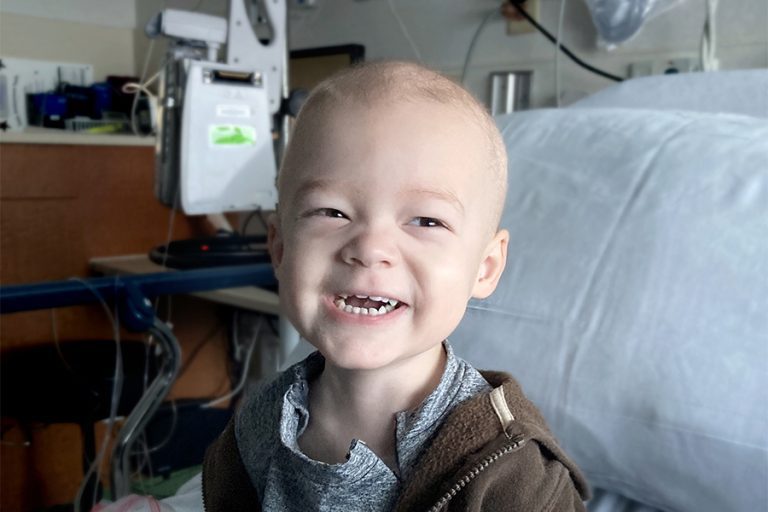
Emma was just 2 years old when her family learned something was seriously wrong. She hadn’t come in for a routine visit—she had lost her ability to walk. After a series of tests, doctors discovered a neuroblastoma tumor pressing on her spine.
What followed was a long and complex treatment journey. Because her cancer was high-risk and aggressive, Emma immediately began chemotherapy to slow the tumor’s growth. She spent 18 months in the hospital and underwent spinal cord surgery, partial lung removal, proton beam radiation, a stem cell transplant, and immunotherapy in an effort to control the disease.
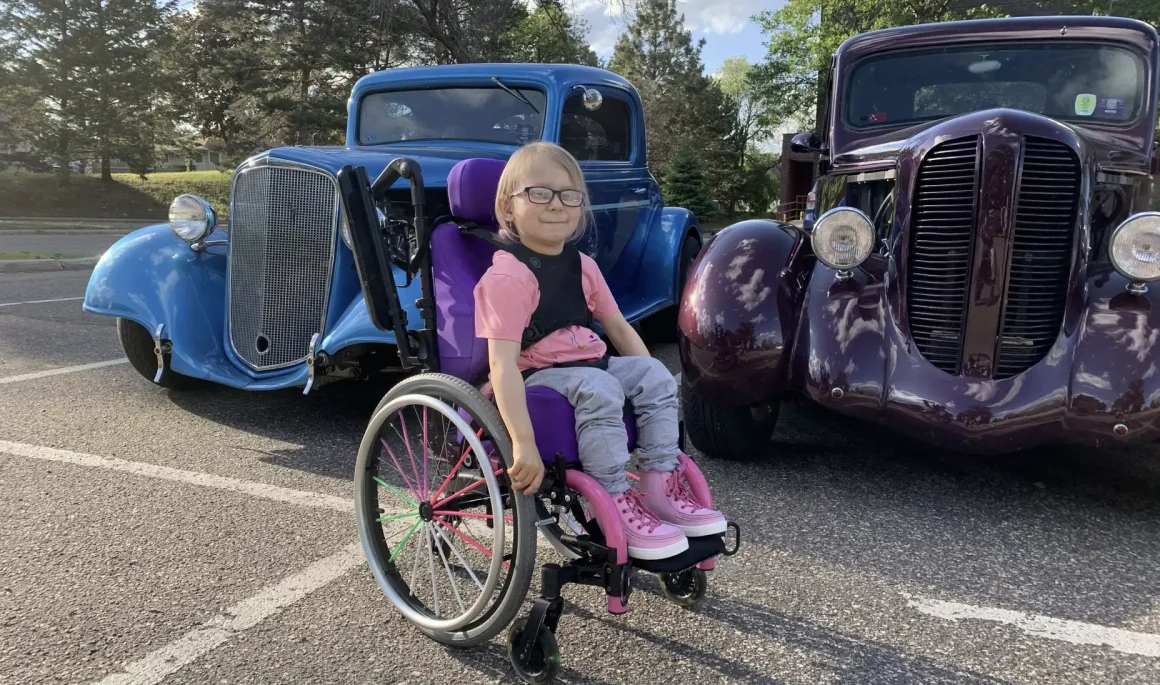
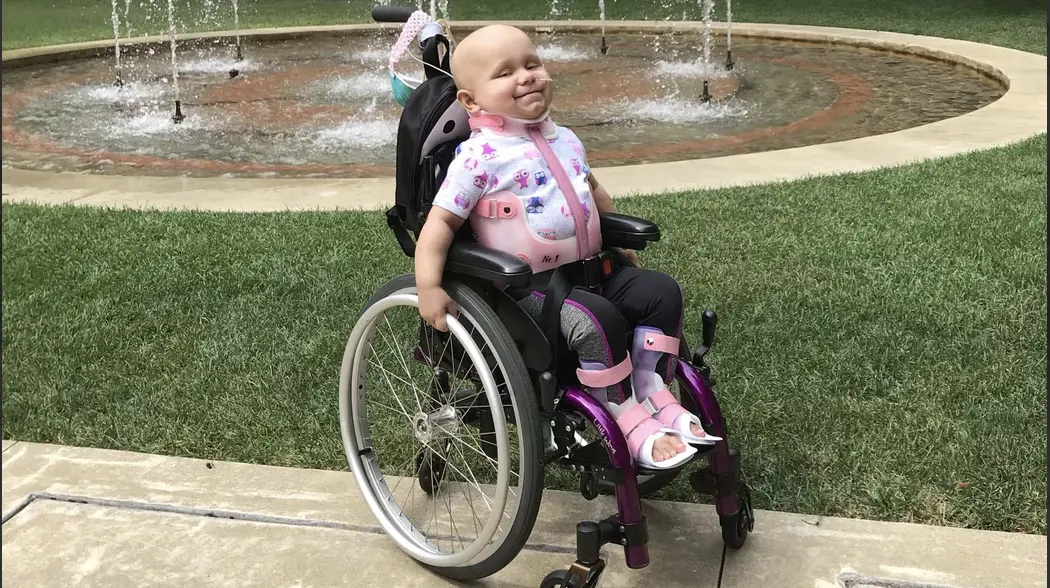 Today, Emma is a survivor, but like many children treated for high-risk neuroblastoma, she continues to live with lasting side effects. These include profound hearing loss, paralysis, a weakened immune system that leaves her more vulnerable to illness, and ongoing mental exhaustion and fear of relapse. Even everyday life is shaped by the aftermath of treatment—she lives about an hour from the nearest hospital, and her care team is spread across two states, making specialized support like physical, occupational, and speech therapy difficult to access.
Emma’s experience reflects the urgent challenge families face with neuroblastoma, a cancer that forms when immature nerve cells fail to develop properly and can spread to the bones, liver, lymph nodes, and even the brain. While survival rates for low-risk cases exceed 95%, high-risk neuroblastoma remains far more difficult to treat, with survival closer to 50–60%.
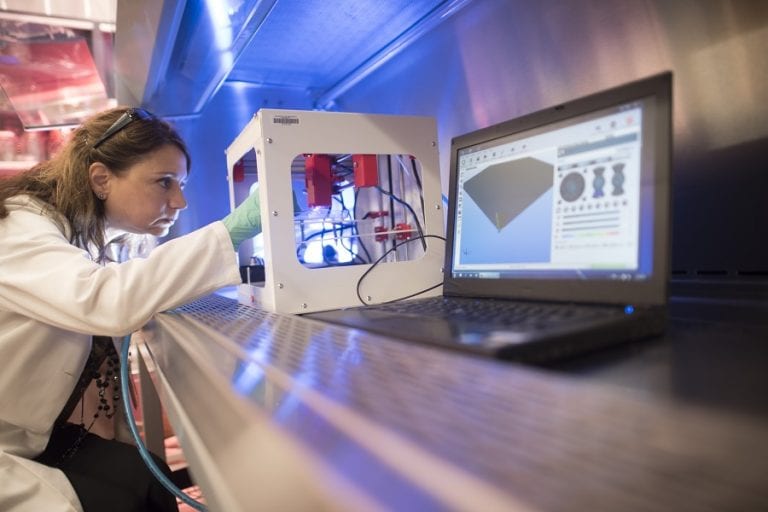
A new CCRF-funded study led by Kelly Goldsmith, MD, at Emory University is working to change that. The project is developing a novel immunotherapy using gamma delta T cells—immune cells designed to recognize and attack cancer more precisely. These cells can be produced from healthy donors and may reach areas like the brain, where current treatments often fail.
Researchers are now engineering these cells to target GFRA2, a protein found on neuroblastoma that has spread to the brain, while also enhancing their ability to stay active longer in the body.
Donate to fund essential research for kids like Emma.
With continued research and support, this work could move closer to clinical trials—and to new hope for children facing the most aggressive forms of this disease.