Anikah was just 19 months old when her parents, Vanessa and Ben, noticed she was losing her balance more than usual. At first, it didn’t seem alarming – toddlers fall. But then she began vomiting every morning upon waking.
“For weeks, we wondered if it was food, detergent, anything,” Vanessa said. “It was so strange – only once a day, every morning.”
After blood tests and diet changes, a CT scan revealed the truth. Vanessa remembers the doctor’s words clearly: Your daughter has a brain tumor.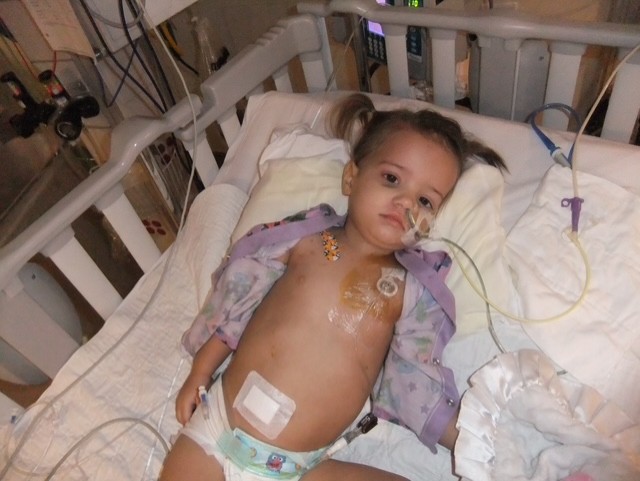 The tumor, an ependymoma the size of a golf ball, required emergency surgery to relieve pressure on Anikah’s brain. Within hours, she was in the operating room.
“It didn’t feel real,” Vanessa said. “She was 19 months old. I felt like I was watching myself from outside my body.”
Anikah’s Treatment
After the initial surgery to relieve the pressure in Anikah’s brain, she was admitted to the hospital for a week before receiving surgery to remove the tumor. The tumor removal surgery was successful — the neurosurgeon told Vanessa and Ben that he’d been able to remove the entire mass. but Anikah’s oncology team recommended proton beam radiation to ensure no cancer cells remained. Because only a few hospitals offered the treatment at the time, the family relocated from Minnesota to Houston for eight weeks of daily radiation at MD Anderson.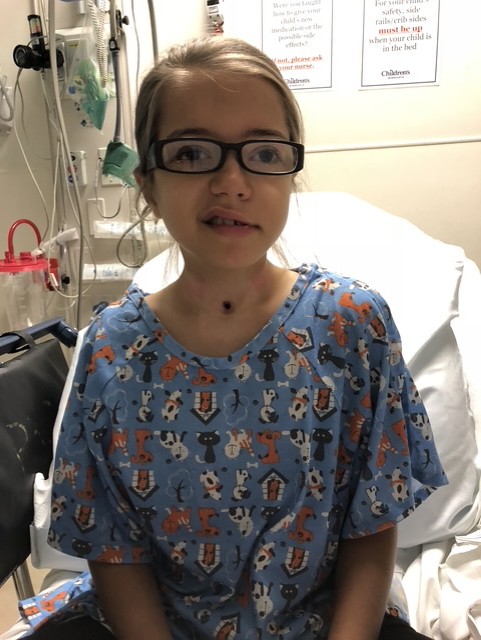
Months after returning home, her balance issues returned. She struggled to eat and swallow, then collapsed and stopped breathing. Scans showed severe swelling on her brain stem caused by radiation. Anikah needed a ventilator, feeding tube, and tracheostomy to survive.
“The thing meant to protect her was now threatening her life,” Vanessa said.
Hyperbaric oxygen treatments stopped the swelling but couldn’t undo the damage.
The Cost of Treatment
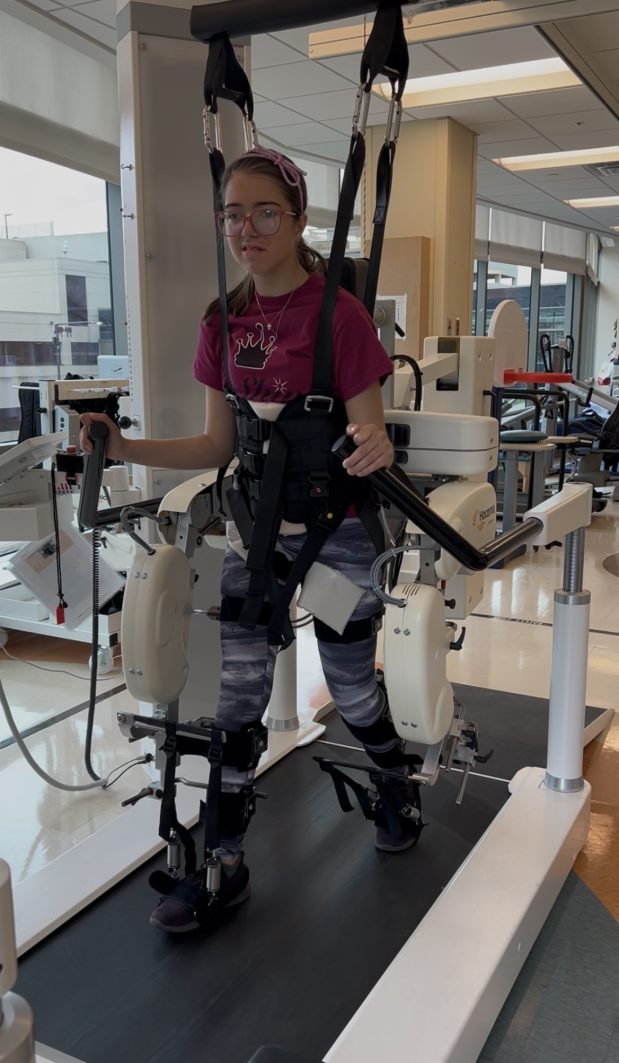 As Anikah grew, Vanessa realized that surviving cancer didn’t mean leaving it behind.
“She’s a cancer survivor, and she’s also a kid with special needs,” Vanessa said. “We fixed the cancer – why can’t we fix everything else?”
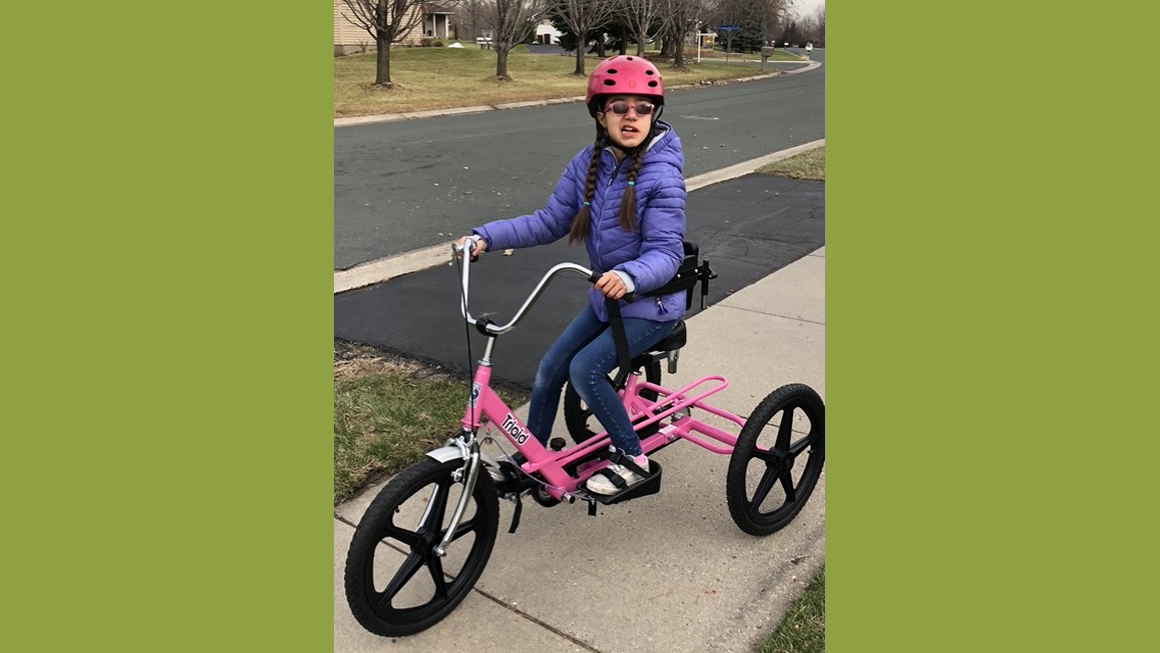
Now 16, Anikah still relies on a feeding tube and oxygen support at night. She hasn’t needed a tracheostomy since fourth grade, but she’s never had a sleepover. Years of physical therapy helped her walk independently, though she brings her walker to school for safety.
Vanessa wishes more people understood that for many kids, cancer is lifelong – not because of the disease, but because of its treatment.
A Place to Belong
Like any 16-year-old, Anikah wants to belong. She’s involved in theater, cheer, and adapted dance – but standing out can be exhausting. 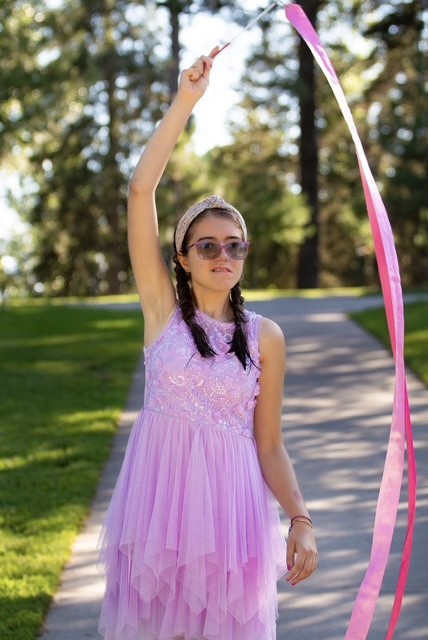 So when she learned about Camp Norden, a camp for kids impacted by cancer funded by Children’s Cancer Research Center, she packed her bags and went.At Camp, Anikah didn’t have to explain herself. When her table was challenged to do push-ups, she took longer to get into position – and finished to roaring cheers.
“Camp was a huge deal for her,” Vanessa said. “They really made the effort to draw her out.”
Anikah’s journey reflects a reality many childhood cancer survivors face: care doesn’t end when treatment does. With continued research, support, and community, kids like Anikah can find places where they are understood, included, and able to thrive.
See Anikah at Glamorama
Anikah’s confidence and creativity take center stage May 15 as a Glamorama Ambassador. With a runway show inspired by florals and all things pink, she’ll help unite fashion, fun and philanthropy. Few tickets remain – get yours today on Ticketmaster.