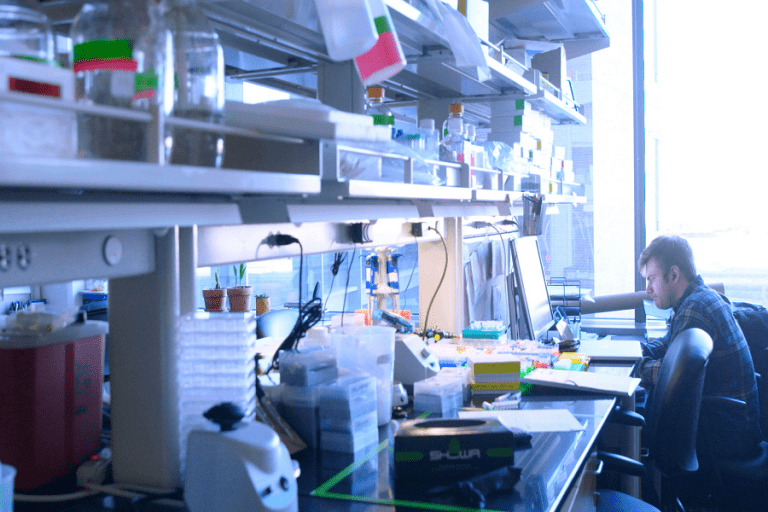
Oncologist and researcher Chris Moertel, MD, has spent his career pursuing one main goal: giving children facing cancer more time with their families. In early 2025, a clinical trial based on decades of research by Dr. Moertel and his University of Minnesota colleague, Michael Olin, PhD, opened at Children’s Minnesota. The goal of the trial is simple but profound: give the gift of time to children with diffuse midline glioma (DMG) and other incurable brain tumors.
“Ask any parent, and they’ll say, ‘All I want is time,’” Dr. Moertel said.
This trial, which is being funded by CCRF, was made possible by decades of CCRF-funded brain tumor research at the University of Minnesota. The trial will give precious time to kids like Eva, who was diagnosed with DMG in early 2025. And in the future, it could be the reason that no child has to die from this kind of tumor.
Brain tumors like DMG are extremely difficult to treat because the tumor produces a protein that acts as a shield against the immune system. Drs. Olin and Moertel spent nearly twenty years developing a special peptide that can break down this shield, making way for the immune system to attack the tumor. Their work led to a groundbreaking clinical trial, co-led by Drs. Anne Bendel and Maggie Skrypek, which will test a new vaccine in combination with the shield-busting molecule. The trial enrolled patients in 2025 - Eva among them.
“Our whole goal from the beginning was to find a way to treat incurable brain cancers,” says Dr. Moertel. “If we can break down the tumor’s barrier to allow the immune system to do its job, then we are well on the way to helping cure those kids.”
Eva’s Story: Discovering a Tumor
On a chilly January afternoon in 2025, Eva and her brother, Theo, were goofing around during lunch when their parents, Lee and Sandra, noticed something strange. One side of Eva’s face was drooping.
“I asked her if she was making a silly face, and she said no,” Sandra said.
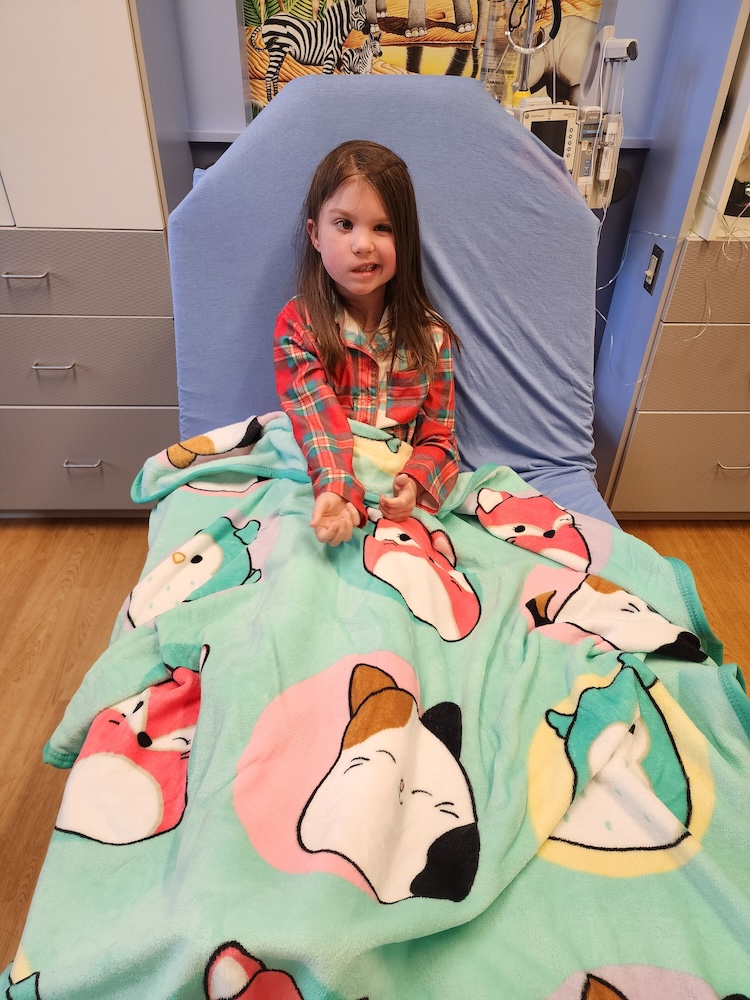
At the emergency room, doctors suspected Bell’s palsy, a condition that causes facial drooping that usually resolves in a few weeks to months. But at Eva’s routine 8-year-old checkup soon after, her doctor found that she couldn’t hear out of one ear. Worried this could be something serious, the doctor sent Eva and her family to the emergency room for an MRI.
The results were devastating - Eva had a large brain tumor.
“The neurologist told us to sit down, and that doesn’t mean anything good,” Sandra said. The doctor told Sandra and Lee that with the treatments available today, Eva’s tumor cannot be cured. Most children diagnosed with DMG survive between nine and 13 months after diagnosis.
“That’s the worst you can hear,” Sandra said. “That your child will die, not just in 20 or 40 years, but soon.”
Time With Eva
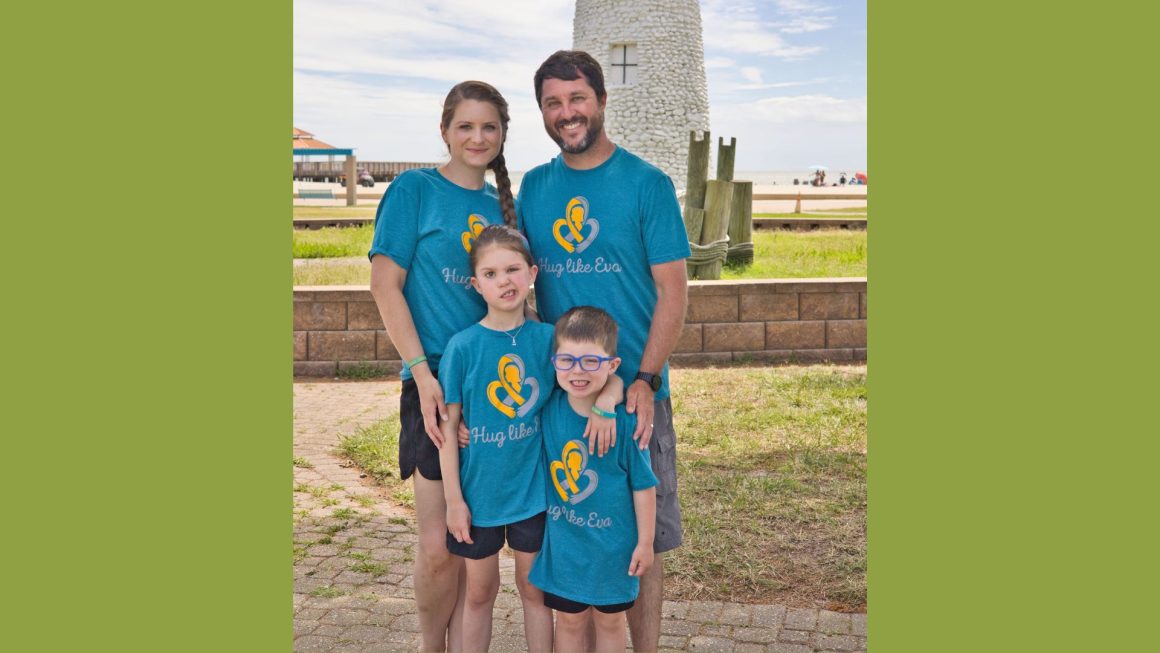
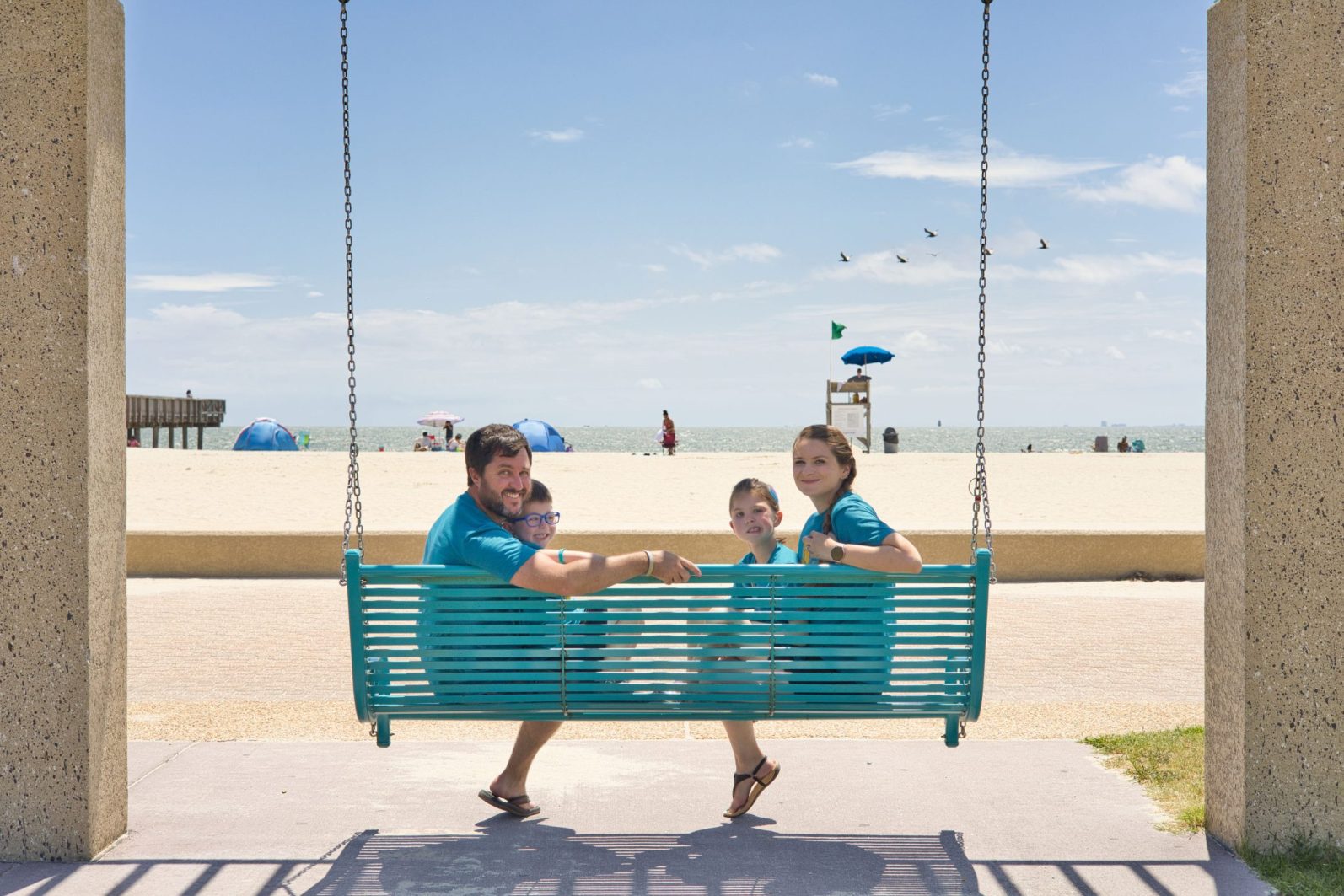
Eva’s family, knowing their time with her is precious and limited, has been pouring all their energy into making memories—squeezing every drop of joy out of watching Eva play Barbies, or dress up as her favorite Disney princesses, or dance to Taylor Swift. They’ve traveled to Disney World, visited family in Virginia, taken in shows in Las Vegas, explored M&M’s World, and even had a visit from a kangaroo in their home. They are trying to fill every day with as much laughter and peace as possible.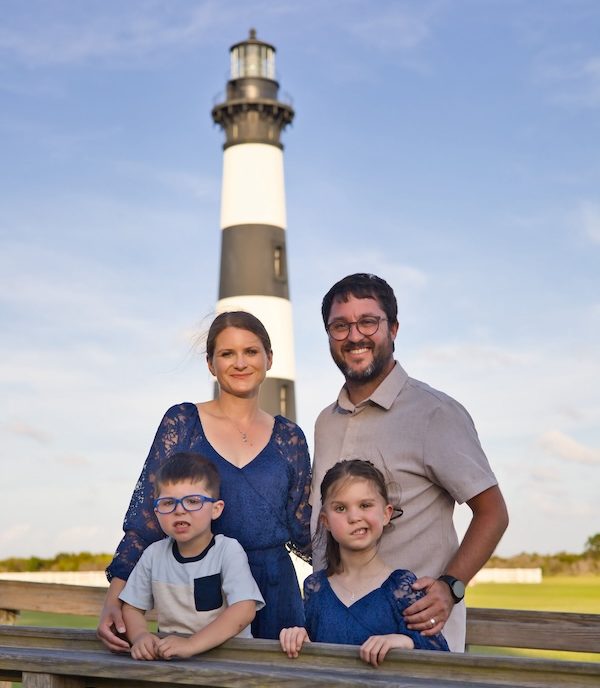
But living alongside anticipatory grief is its own kind of heartbreak.
“To be told, ‘make memories’ is one of the worst things you can be told as a parent,” Sandra said. “You kind of have this big cloud hanging over your head all the time because you’re always thinking, this may be the last time she rides her bike. This may be the last time she can dance with her friends.”
Still, Eva’s parents want to make more than memories. They want Eva’s life to be the start of something miraculous. They want her to be part of the story of a cure.
Eva’s Legacy - A Cure in the Making
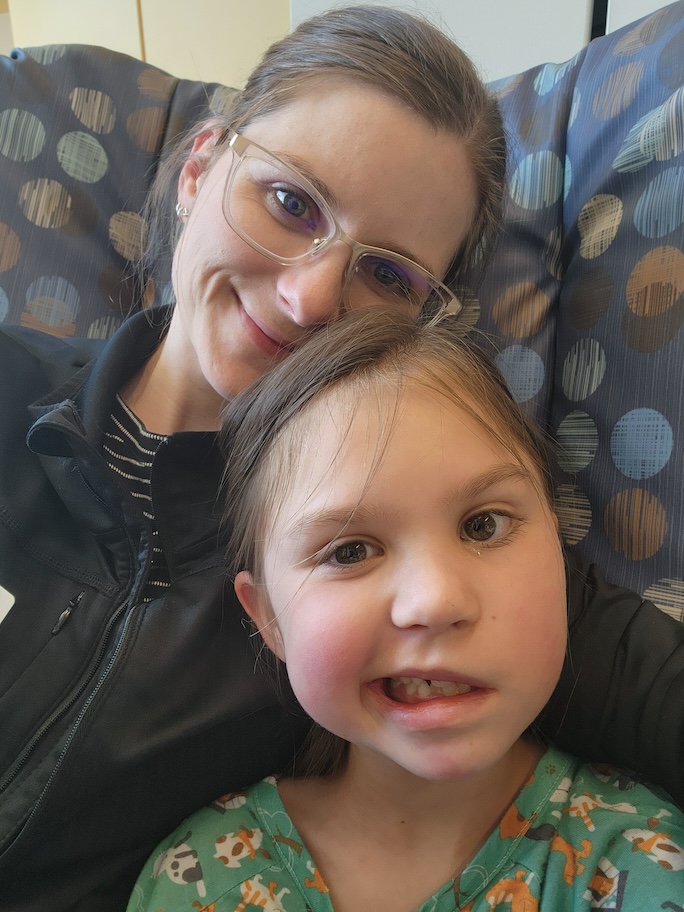
In May 2025, Eva’s parents enrolled her in the CCRF-funded clinical trial at Children’s Minnesota. The trial is unlikely to save Eva’s life, but it could give her family more time with her. And because this treatment isn’t as harsh as chemotherapy or radiation, it wouldn’t come at the cost of Eva’s quality of life. She receives between two and four injections multiple times per month. The treatment allows her to have enough energy to continue going to school and participating in dance, one of Eva’s passions.
This clinical trial is the culmination of decades of research by Drs. Moertel, Olin, Bendel, Skrypek, and others. It exists because CCRF donors believed something better was possible for kids with incurable tumors. And, Dr. Bendel hopes, this trial is only the beginning.
“Through this study, our hope is that we’re going to cure these patients,” said Dr. Bendel. “But in the process, we’re going to learn more about how the immune system reacts to the vaccine and then tweak it in a subsequent study to make it even more effective.”
Eva’s family is participating not only for her, but for the hundreds of children who are diagnosed each year with DMG and other brain tumors that currently have no cure. One day, when a cure exists, Eva’s story will be part of that legacy.
"We hope with this trial, we can give kids more time, and we can give our child more time,” Sandra said. “Maybe this can be the starting point for a cure.”
Behind Every Breakthrough Is a Donor Who Believed It Was Possible.
The clinical trial Eva is a part of would not have been possible without the generosity of CCRF donors. When you give, you’re fueling discoveries that could change — and save — the lives of children facing the most aggressive cancers.