
When Cole was 11 years old, his first question after learning he had cancer was whether or not he was going to die. His second was if he would still be able to play hockey that season. “When they said no,” Cole said, “That’s when I started to cry.”
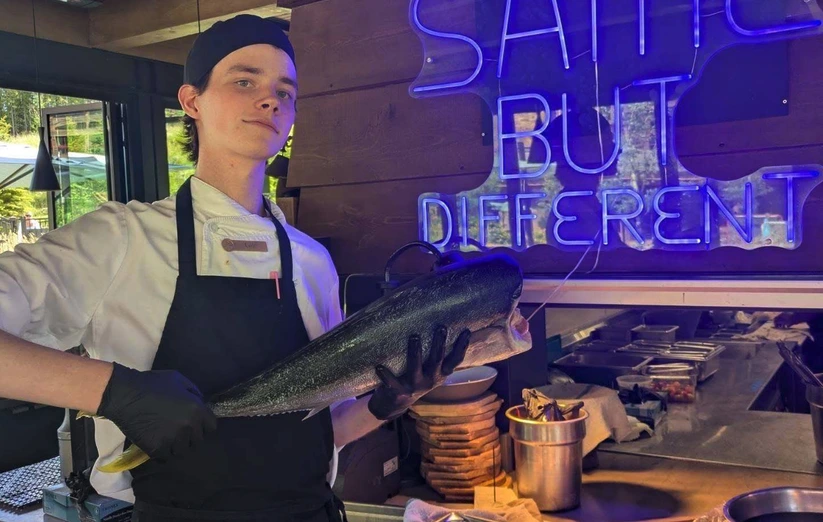
Today, Cole is 19 years old, trained at a culinary school in Switzerland and is building a career and a future, one fast-paced kitchen shift at a time. Getting there wasn’t just about surviving cancer - it was about surviving what came after.
Cole’s Cancer Treatment
Cole was diagnosed with Burkett’s lymphoma, an aggressive form of cancer, in 2018. A tumor growing behind his nose had been giving him debilitating headaches - he said it felt like he had water in his ears, but worse with agonizing pain.
Cole’s treatment meant living mostly in the hospital from August through December. His treatment included four and a half rounds of chemotherapy, multiple surgeries, and countless lumbar punctures. It was not an easy journey, but Cole’s treatment worked – his cancer was eradicated, and he went back to school that February.
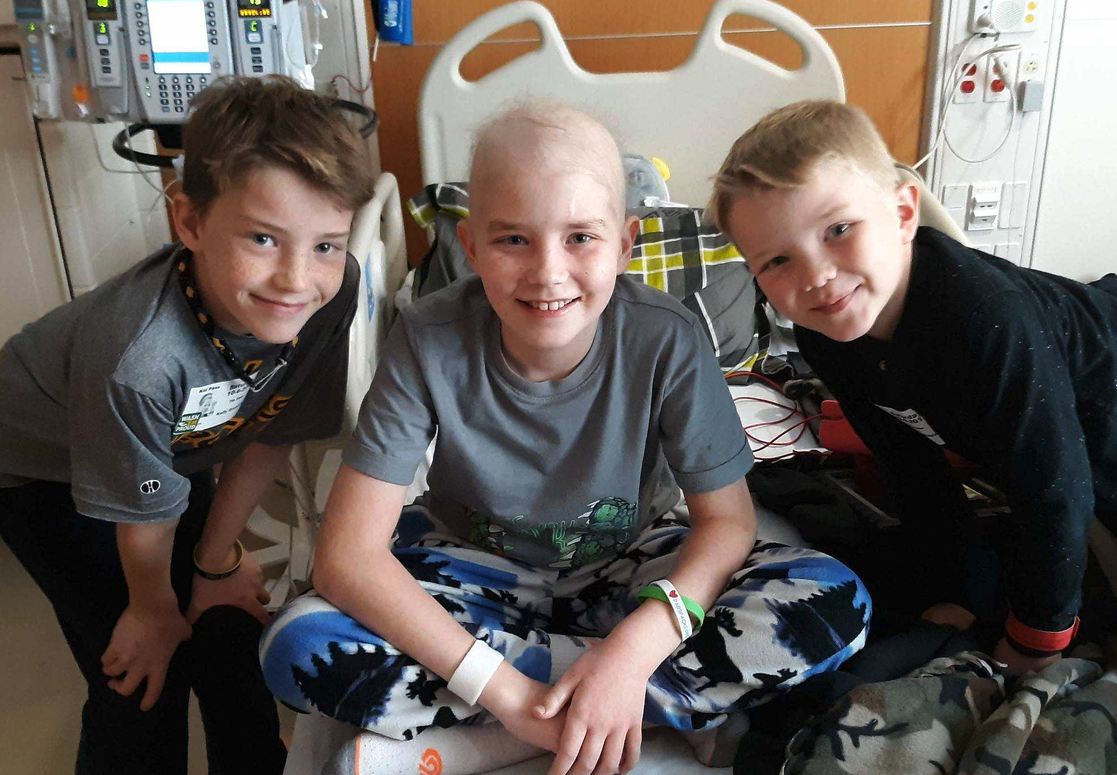 “I kind of just jumped right back in,” Cole said. “It just felt like starting a new school year, but in the winter.”
At first, it seemed like Cole merged smoothly into his old life. He fell back into his friendships easily; however, physical limitations and short-term memory loss from chemotherapy meant he had to work and study twice as hard to keep up. Cole put in the work, though, and was even able to rejoin the hockey team.
But in 2020, the fragile balance Cole had struck began to crack under pressure. His parents were in the midst of a divorce. COVID-19 meant Cole was isolated from his friends, spending more time alone with increasingly negative thought spirals.
“The cocktail of all of that kept getting stronger and stronger,” Cole said.
Soon, Cole began to self-harm and self-medicate with marijuana, nicotine, and alcohol. The day after his 15th birthday, he came to school intoxicated and ended up in the emergency room. He remembers the doctor telling him, “You’ve worked so hard to survive, what are you doing? Look what you’re doing to your mom.” The guilt piled on, and the pressure felt suffocating.
Cole’s mom, Kelly, said she struggled to figure out where to find help. Wait times for mental health services were longer than she felt Cole could wait. The community that came together to support Cole and his family during treatment was still there - but supporting a child through cancer and supporting a teen through mental health crisis and substance abuse were two different things.
“It was easier to find community during chemo,” Kelly said. “But when your kid starts acting out and other parents don’t want to be around that, they pull away, and you’re left really isolated.”
Cole knows his experience is not unique. He knows plenty of other cancer survivors who got into drugs. Teen and young adult survivors of cancer are at an increased risk for anxiety, depression, and PTSD, and many engage in risk-taking behaviors more than their peers.
Kelly said she only found this out once it started happening to Cole.
“We started hearing that this happens all the time, and I felt like, um, okay, was anyone going to tell us this?” Kelly said. “We didn’t really know what to look out for once treatment was done. For us, the mental health fight has been way harder than the cancer treatment.”
What Didn’t Help - And What Did
Kelly advocated for Cole to go to therapy, and – even though the fought it – he spent about a year in sessions. He found them useful - to a point. Then, it just started to feel like more pressure. He knew what strategies made him feel better - taking a walk outside, or stopping his negative thought cycles with physical activity, like swimming or sports.
“It wasn’t that I didn’t know what to do,” Cole said. “It was just that, even doing all the right things didn’t help right away, or didn’t work 100% of the time.”
He felt an immense pressure to “get better” quickly and steadily, with no setbacks.
Cole said if he could go back in time and tell his younger self something, he’d say to ditch the “all or nothing” approach to healing. Recovery, he's learned, doesn't move in a straight line — and expecting it to only makes the hard moments harder.
"You can't do it all at once. Just try and slowly take those steps back to where you can get better."
A Different Kind of Pressure
What helped wasn’t a breakthrough moment or a therapist saying just the right thing. It was a dishwashing job.
The summer Cole turned 15, Kelly helped him secure a job washing dishes at a casino where she worked. He thrived in the fast-paced environment of the restaurant kitchen but really wanted to be a cook. He begged the executive chef for a place on the line. The tradeoff: if Cole stopped getting in trouble, improved his grades and if his mom approved, then that spot was his once he turned 16.
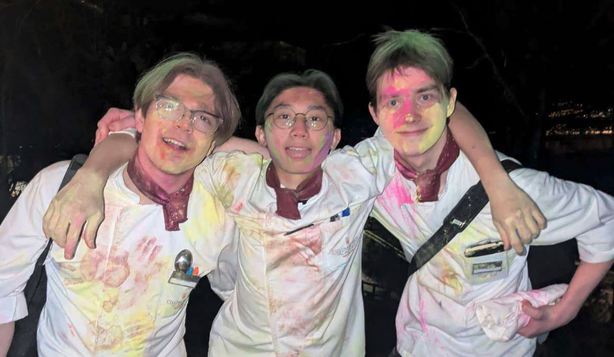
Cole worked hard to make that happen and spent the next 3 summers as a cook – first in the golf course restaurant, and then later in the steakhouse.
“The constant pressure from it is amazing… just being at work took my mind off my mental health and feeling bad about myself, because I had all this work in front of me to do,” he said. “It’s not like you have a project deadline in a week. Your project is due in 20 minutes because you have to get the food out.”
Today, Cole can accurately guess burger and steak temperatures just by feel. He moved from working the grill to also manning the sauté station, then the ovens, broilers, flat top and fryers.
“Eventually I was just able to run the whole kitchen,” he said. “The chefs would ask me questions before they did something. It made me feel really good about myself.”
Cole started culinary school in Switzerland in the fall of 2026. That program has set him up to find internships in other hotels, and helped him make connections in the industry that span from multiple countries in Europe to Montana, where he’s currently working - honing his skills among older, more experienced chefs and restaurant managers.
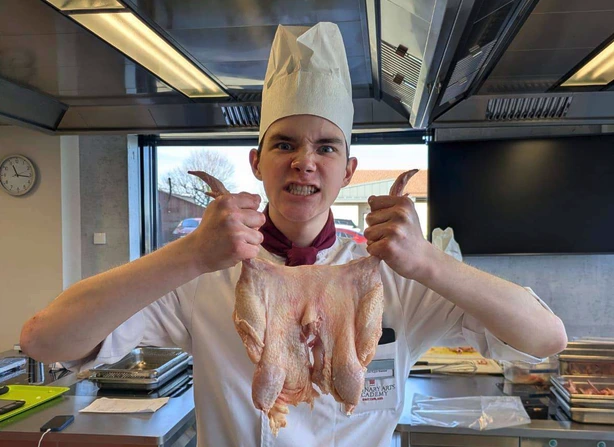
“I’m hoping to be able to make a name for myself in the hotel chain,” Cole said. “I want it to be like okay, this guy came in for an internship, and within a month he’s already one of the fastest guys we have.”
Beyond Montana, Cole has his eye on Europe — proving himself in one hotel, then the next, building a name for himself one kitchen at a time. He still deals with negative thought spirals, and he’s working on weaning himself off of smoking. But he's learned something that no one told him during treatment, or after, or in any of the therapy sessions that felt like more pressure than help.
"You can't do it all at once," Cole said. "You have to do it little by little. Just focus on one thing at a time."
For Cole, that's been enough to keep moving forward.